Strength Training After 40
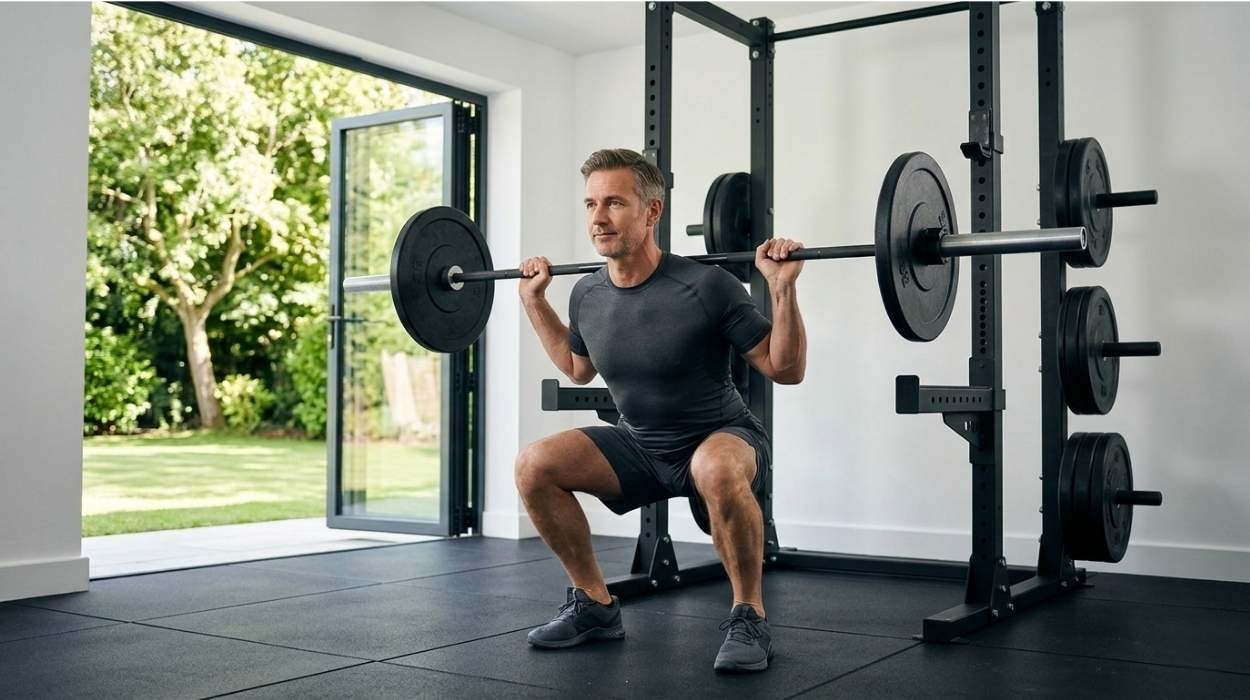
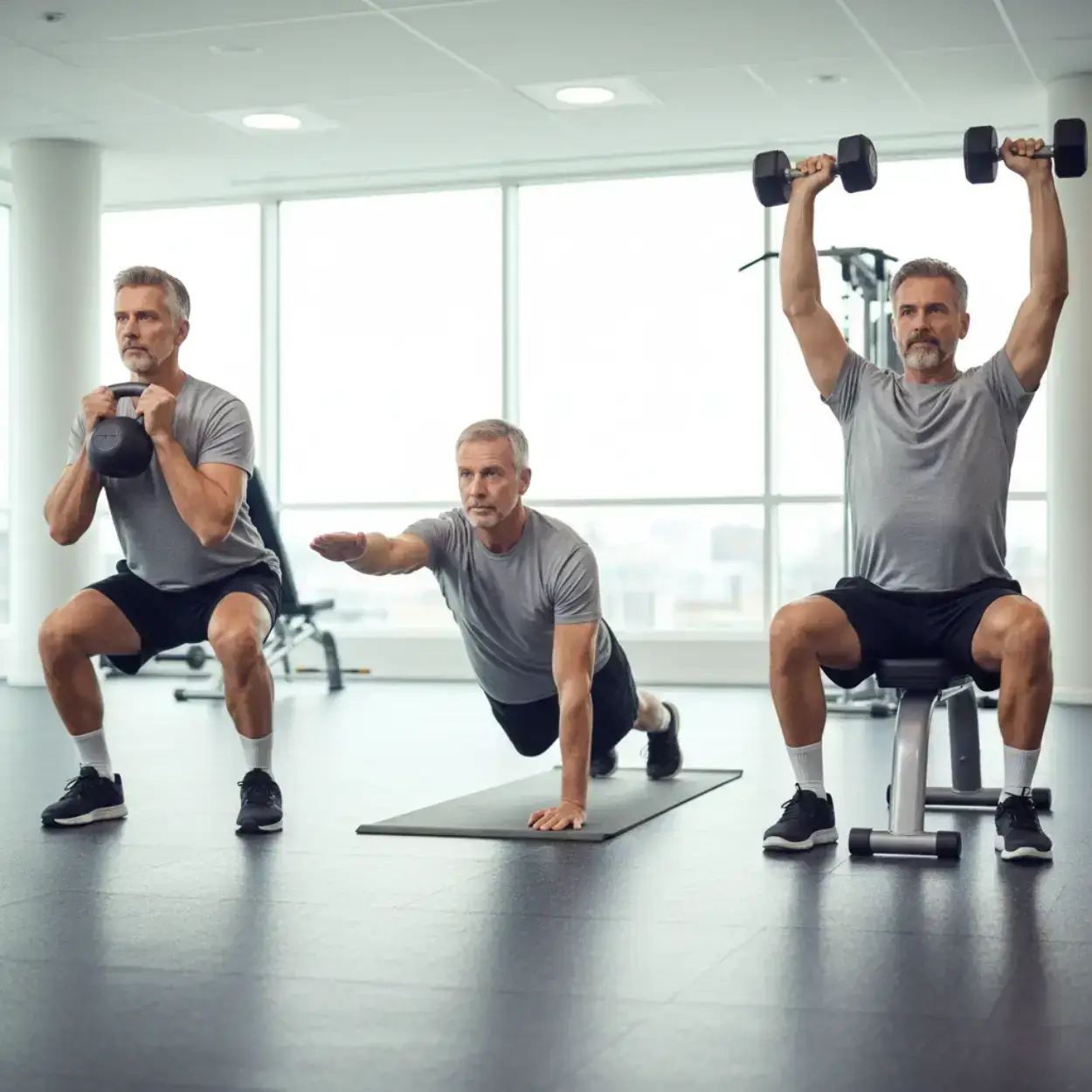
Strength covers the essential concepts behind building and maintaining functional strength after 40.
These articles explain movement patterns, training fundamentals, and the science of muscle health in clear, accessible language — without offering personalised instructions or detailed coaching.
If you want to better understand how strength supports longevity, joint health, and confidence in daily life, this category gives you the evidence-informed insights you need.
Smart. Sustainable. Strong for Life.
-

How to Build Muscle After 40: The Science-Backed Guide
Building muscle after 40 is absolutely possible. This science-backed guide explains how training, nutrition and recovery support strength and muscle growth for men in their 40s, 50s and 60s.
-
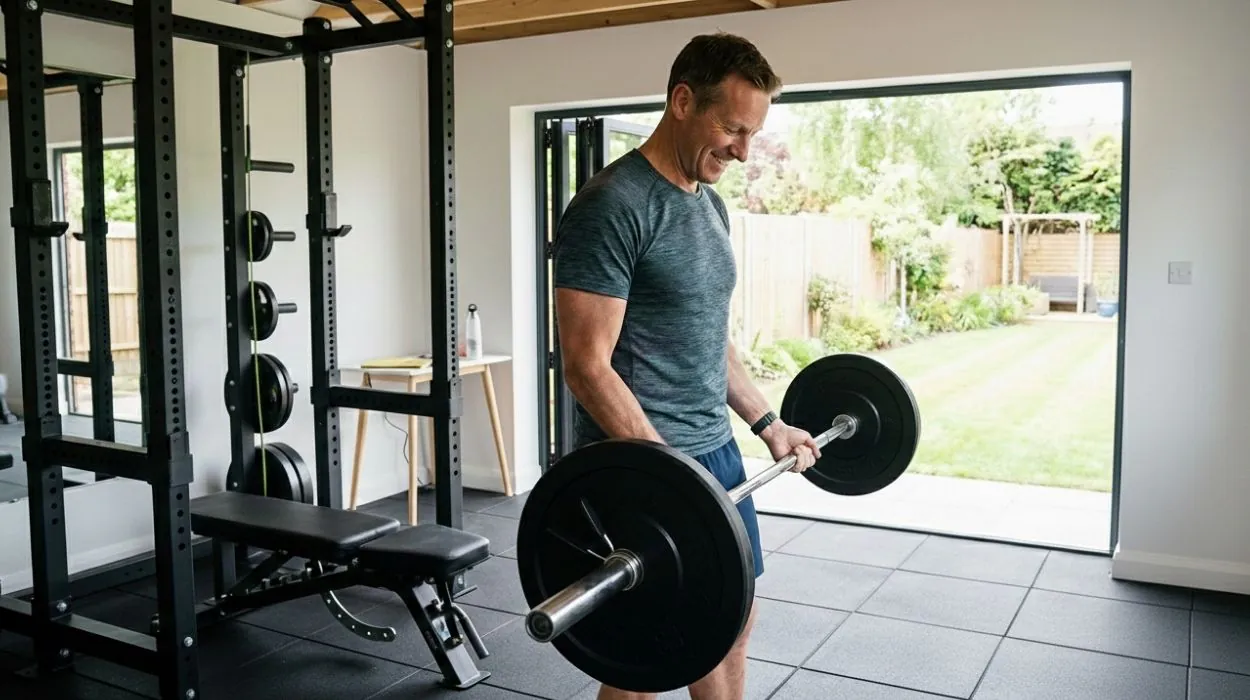
Home Gym for Men Over 40: Get Stronger Without Stepping Foot Outside Your House
For the modern man in their 40s, 50s and 60s, the greatest obstacle to physical progress is rarely a lack of willpower; it is a lack of time. Between high-stakes career demands, family logistics, and the need for adequate recovery, the traditional “gym experience” can become a source of friction rather than a sanctuary for…
-
Progressive Overload: The Simple Training Secret to Staying Strong for Life
You show up to the gym multiple times a week. You sweat. You feel tired afterwards. Yet, when you look in the mirror or try to lift a heavy box at home, nothing seems to have changed in months. You have hit the dreaded “plateau.” The reason is likely not a lack of effort, but…
-

Optimising Strength Training Splits: Advanced Time-Saving Routines for Men Over 40
If you’re a busy man over 40, your first strength training protocol was likely a Total Body Workout. That’s excellent for building foundational strength and establishing consistency. However, for many men—especially those looking to build muscle (hypertrophy) or break through strength plateaus—the Total Body approach can eventually hit a wall. It becomes difficult to add…
-
Your New Best Friend: Why a Personal Trainer is Worth the Investment (and How to Find a Good One)
If you are a man over 40, your time and money are valuable commodities. You may have considered hiring a personal trainer (PT), but dismissed it as an unnecessary expense or a luxury only for the very wealthy. However, a great personal trainer after 40 is not just a motivator; they are an investment in…
-

5 Hidden Victories: Conquer Fitness Doubt the Right Way
If you’ve started strength training after 40 but the scale isn’t moving, don’t panic. There are powerful signs your strength training is working — and none of them involve your weight. Here are five real, meaningful progress markers that prove you’re getting stronger, healthier, and more resilient every week.
-

The Smart Way to Train After 40: Reduce Aches, Lift Better, Feel Stronger
A practical, evidence-informed guide to helping men over 40 train smarter. Discover simple exercise modifications that can reduce aches, protect your joints, and support long-term strength.
-

Reclaim Strength After 40 With This Quick 5-Minute Routine
A simple, evidence-informed 5-minute routine designed to help men over 40 support strength, muscle, and long-term mobility. A great starting point for building confidence and consistency.